All’s Fair in W♦️R.™
Life—and fighting for it—isn’t fair.
Peace sometimes requires unpleasant work. We will help you with that part.
We teach no-nonsense, pure self-defense arts built for smaller, weaker people fighting for their lives. These arts assume no mercy will be given. They have no rules and seek to quickly and decisively end the violent encounter using the means at hand. What we teach here has been described as “Dirty Boxing.”
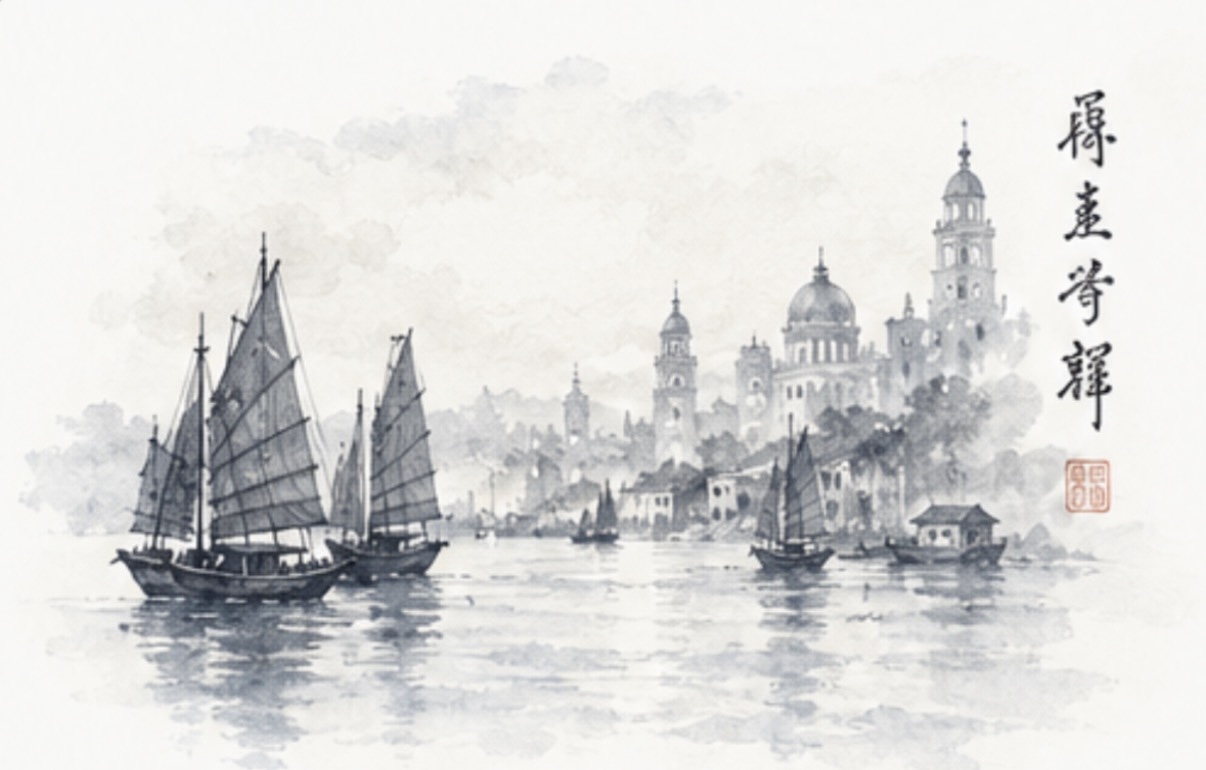
These arts were shaped by the necessity born of crowded southern Chinese and Philippine communities along waterfronts, docks, back alleys, and gambling halls—places of work, travel, commerce, and the violence that was often there—not in sporting arenas. They spread with people who were constantly on the move—sailors, poor working people, gamblers, smugglers, and soldiers. Their objective was simple: use these techniques when desperately needed to end the attack immediately. These arts focus on ending fights, not “fighting.” And there is a world of difference between those two things
We are not a sport-, tournament-, belt-, or trophy-oriented school. The arts and methods taught here (Wing Chun Kung Fu and Filipino Kalis Ilustrisimo) encompass all ranges of combat: kicking, striking, trapping, grappling, and weapons.
Our focus is on developing reflexive ability to protect yourself and others when necessary because there will be no time to think when real-world violence shows its ugly face.
Wing Chun Kung Fu
(白玫瑰詠春)
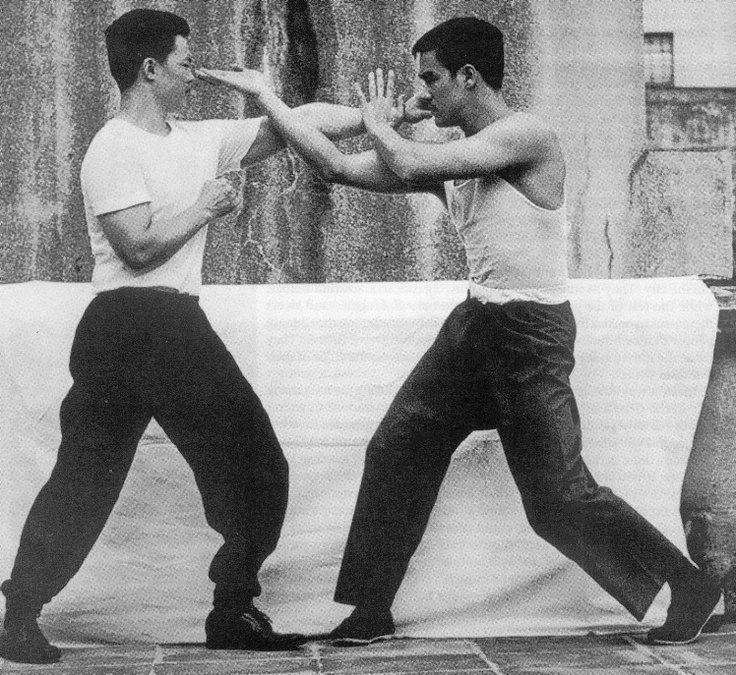
Wing Chun has been called the Chinese art of self-defense because practitioners are trained to strike vital points without hesitation—actions that are not permitted in combat sports or competition. Like Kalis Ilustrisimo, Wing Chun was kept largely private until Yip Man began teaching it publicly in Hong Kong.
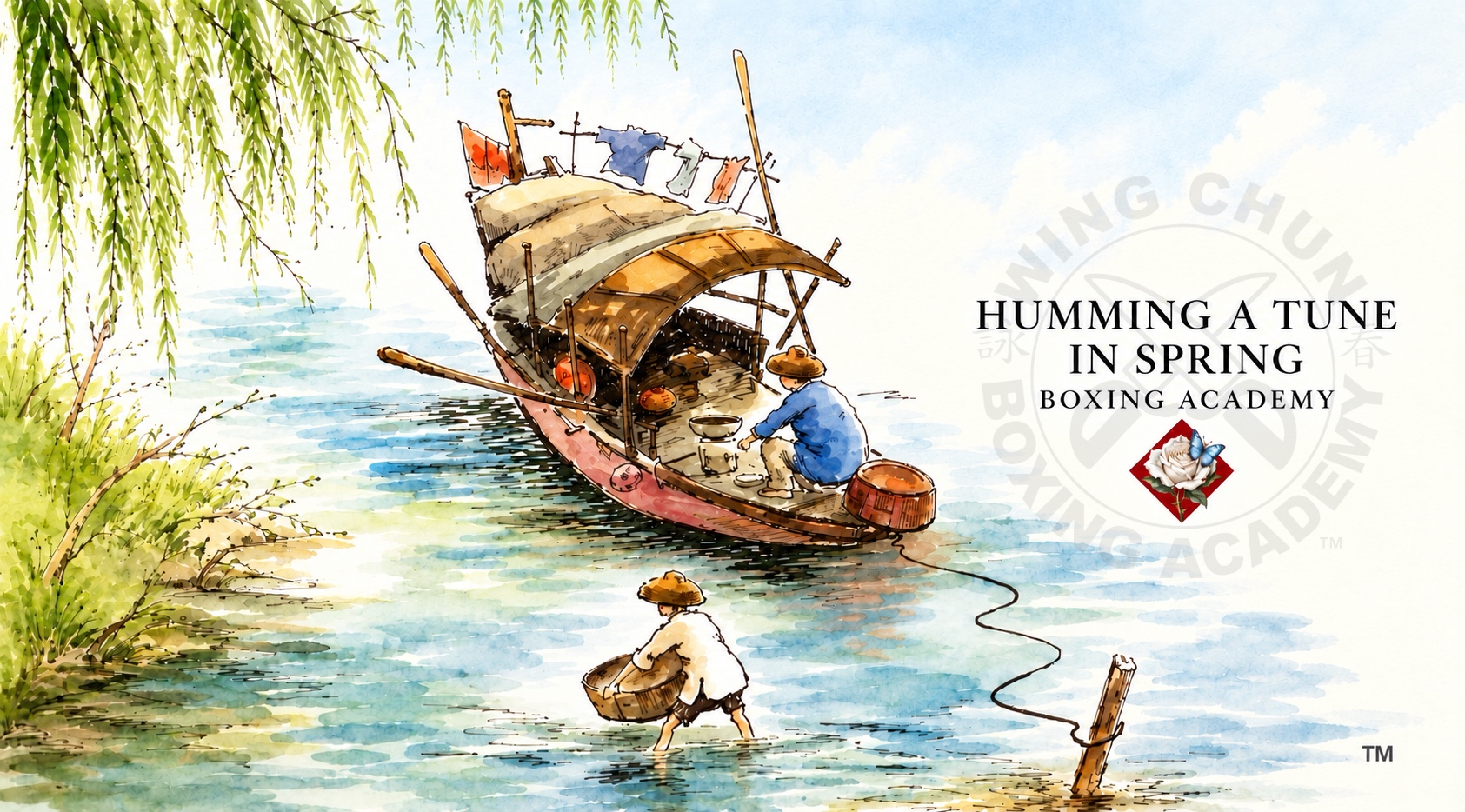
Wing Chun is noted for its languid appearance. Even its name means “Humming a Tune in Spring.” Its stances are barely recognizable as stances, and its hands are held loose and ready. But behind this apparent simplicity lies a unique method of using the whole body as a weapon. It is built around economy of motion, structure, positioning, and simultaneous defense and attack.
Students learn empty-hand skills, weapon skills, forms, partner training, and the principles that make Wing Chun effective at close range. The goal is not to collect techniques, but to develop principles that can be adapted to changing circumstances.
Through training and time in the art, the practitioner learns to make that apparent ease functional—relaxed, open, and almost casual in conflict while drawing power from elastic energy.
Filipino Kali
(Kali ng Puting Rosas)
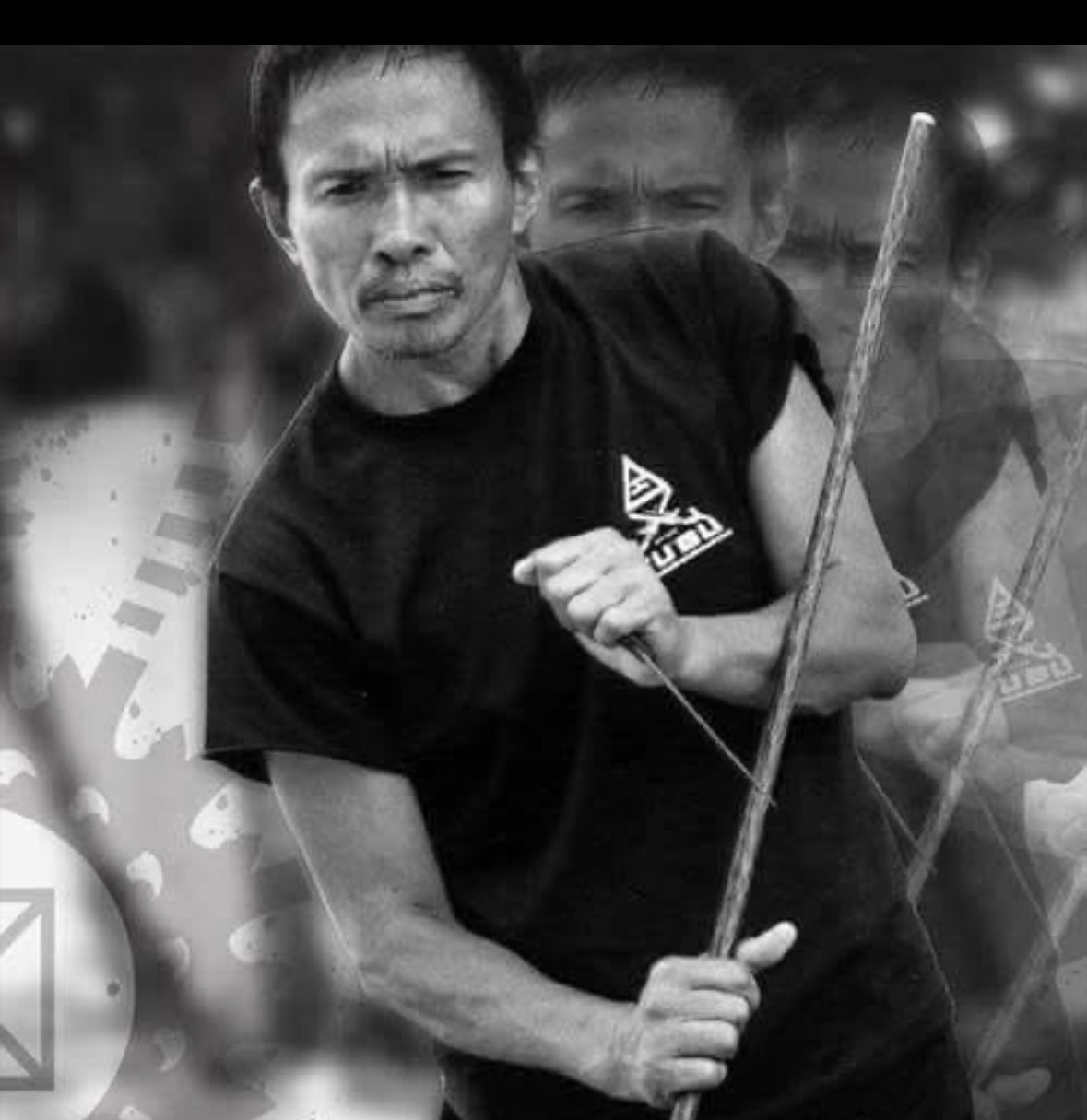
Kalis Ilustrisimo is a traditional Filipino family blade system shaped through centuries of invasion, poverty, and survival. Like Wing Chun, it was born of real-world violence and the necessity of saving one’s life—and the lives of loved ones. Its methods were refined by Grandmaster Antonio “Tatang” Ilustrisimo—a boy who stowed away on a ship believing it would take him to America, then grew into a man shaped by life along the islands, waterfronts, and hard edges of the Philippines. His life included street encounters, duels, and guerrilla service during the Japanese occupation.
For many years, he kept the system’s methods private because they had kept him alive.
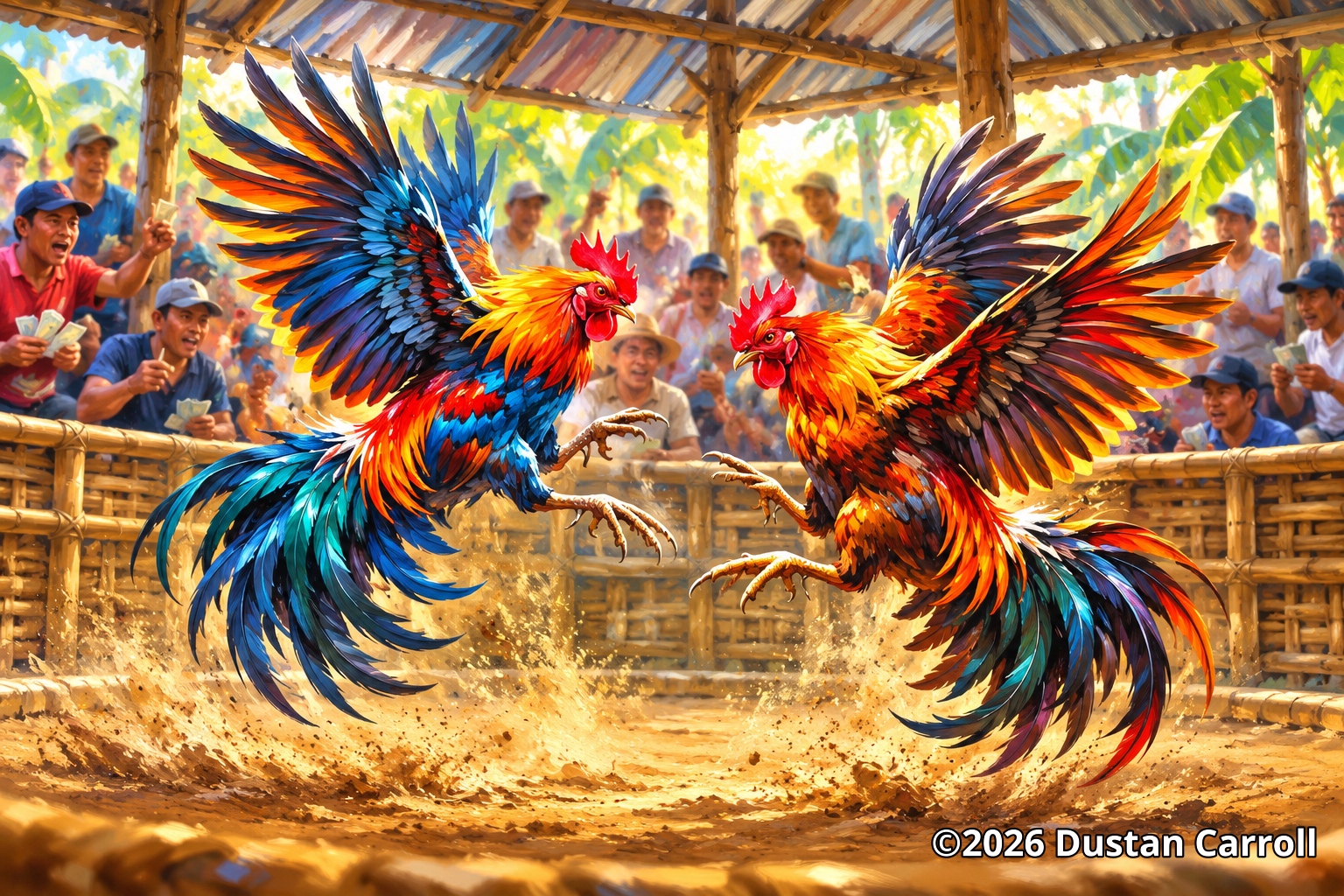
Tatang loved sabong, a traditional Filipino pastime.
BLADE-BASED ARTS
Weapons change everything. Distance, timing, angles, pressure, and even the finality of an altercation change when a conflict morphs into a “new monster” with weapons.
Both Wing Chun and Kali Ilustrisimo are weapons-based methodologies that form the basis of their empty-hand training. Studying the blade helps reveal principles that remain relevant when the weapon is no longer present.
Begin Your Training: 256-679-7839
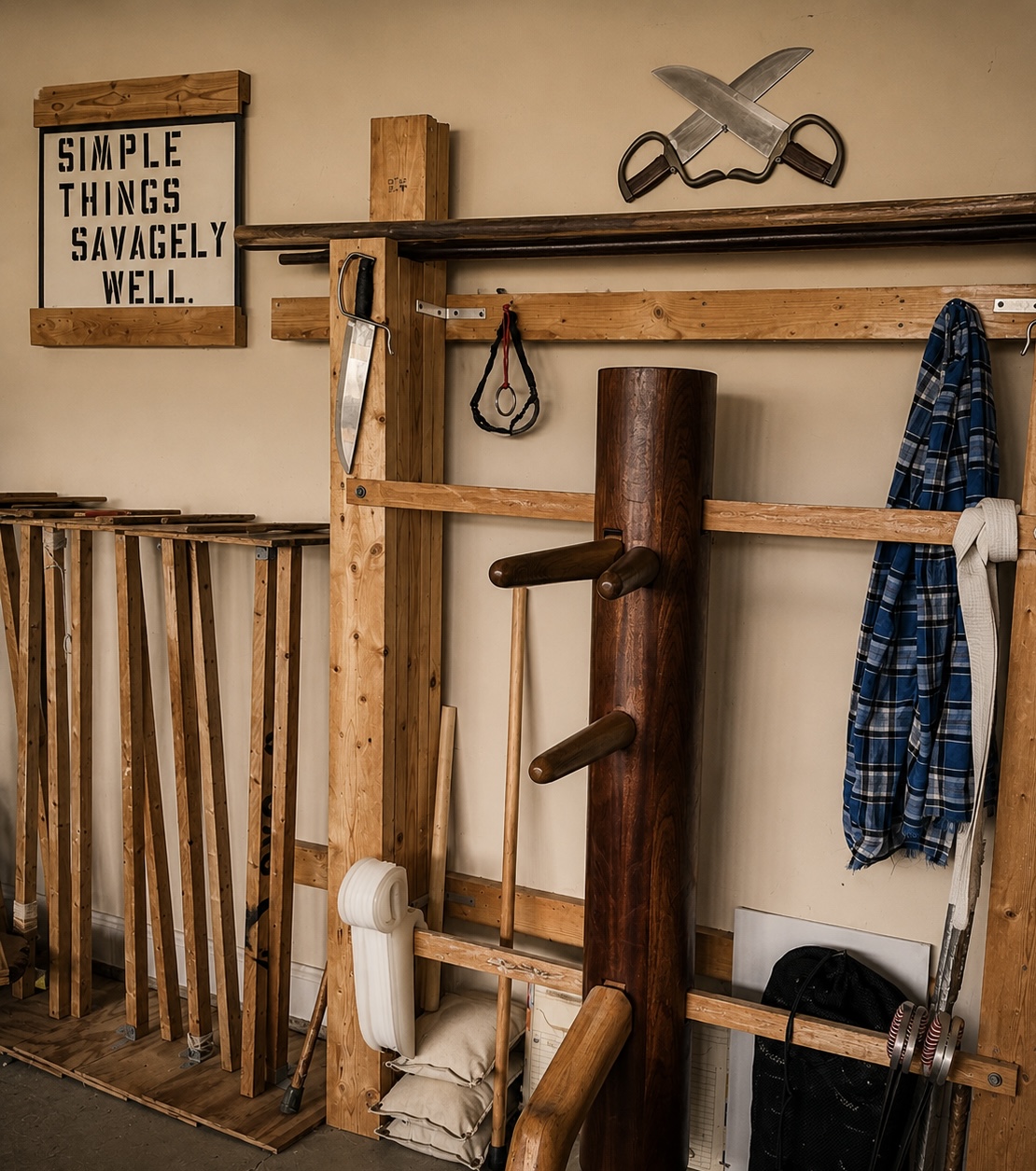 The Best Tradition is What Works.
Private small group instruction in Owens Cross Roads, Alabama
Real-World Self-Defense Training
Effective self-defense is more than learning techniques. Training develops the ability to recognize problems, respond efficiently, adapt when circumstances change, and disengage when the threat ends.
We train proven principles simply and directly, with an emphasis on what works under pressure.
Private Instruction
Training is conducted privately in a small-group environment. This allows instruction to remain focused, individual, and adapted to each student’s experience and progress.
We are not a commercial martial arts school built around large classes, tournaments, belts, or performance. Students come here to train.
Our Mission
Our mission is to identify and train a small number of serious people in proven martial systems that allow them to end violent encounters efficiently and return to living peaceful lives.
Train seriously & live peacefully.
Location: Owens Cross Roads, AL (On the outskirts of Huntsville)
Class Times: Saturdays | 9:00 AM – 11:00 AM
What Our Students Say: Real training. Real results from Huntsville and around the globe.
“No egos. Practical, tested training from day one.”
– Mike L.
“You are real and that is what makes everything you teach so valuable. You have made it possible for me to go out without fear. Thank you!”
-Gina
•
If you would like to learn more about the Wing Chun Boxing Academy or inquire about classes in Huntsville, Alabama and the surrounding areas, please contact Sifu Carroll directly at 256-679-7839
*We reserve the right to
choose our students.
Practice Peace; Carry a Sword.™
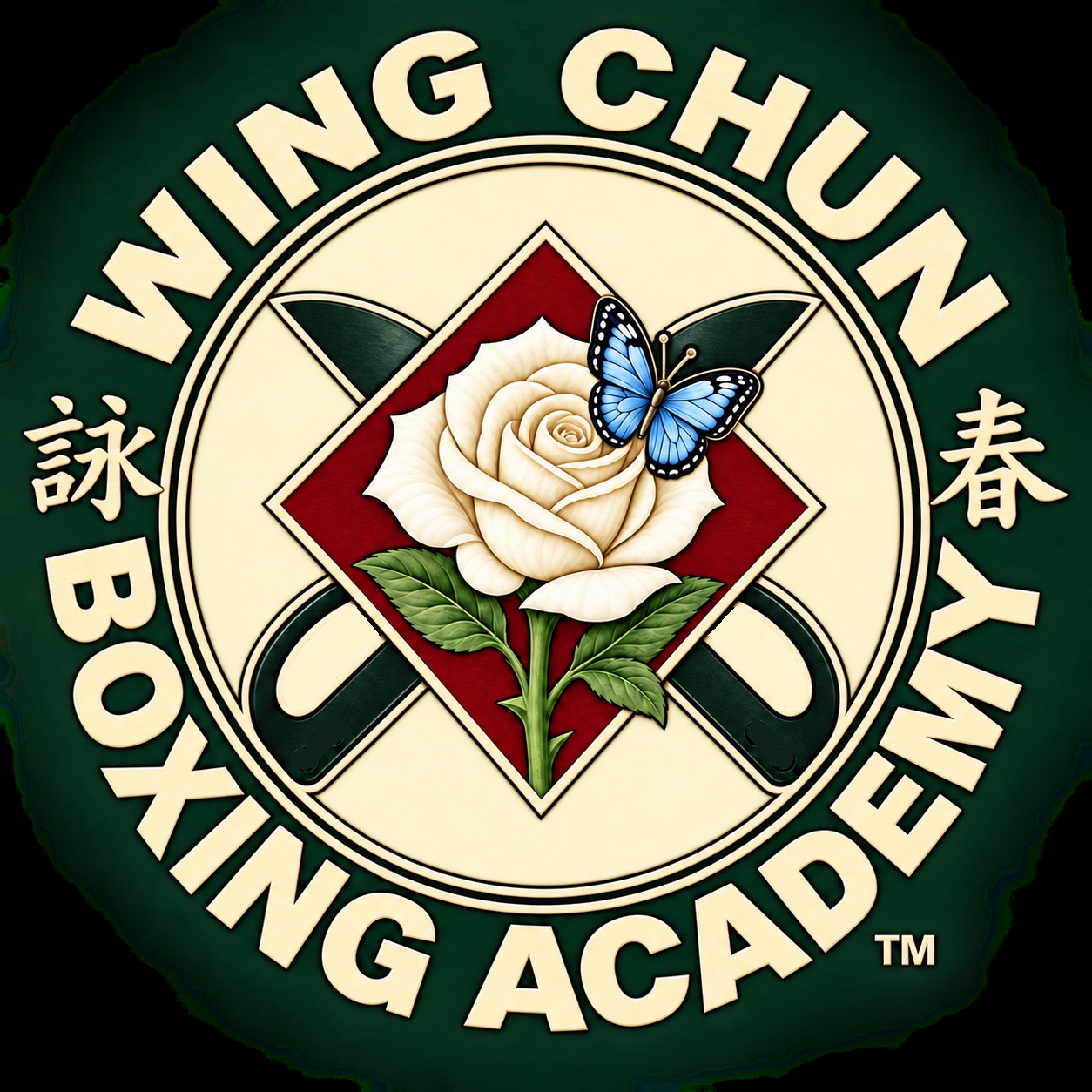
The Chinese meaning for Wing Chun is “Humming a Tune in Spring Boxing” and reflects a simple idea: that practiced skill should eventually become natural, adaptable, and unforced. The skill should never be the most important thing in life; it should enhance it.
The White Rose™ in our school symbol represents hidden abilities under peaceful appearances.
•
The Art Cannot Be Given
Techniques can be shown. Forms can be taught. Principles can be explained. But skill must be acquired through practice, observation, contact, and time in the Art.
Our method is simple: the teacher gives one corner; the student finds the other three.
Watch. Feel. Test. Discover.
Steal my Art. Make it your own.
WHITE ROSE WING CHUN BOXING™ is mentioned in issue 20 of Wing Chun Illustrated
 All content on this website is © 2026 Dustan Carroll. All rights reserved. No part may be reproduced or used without written permission.